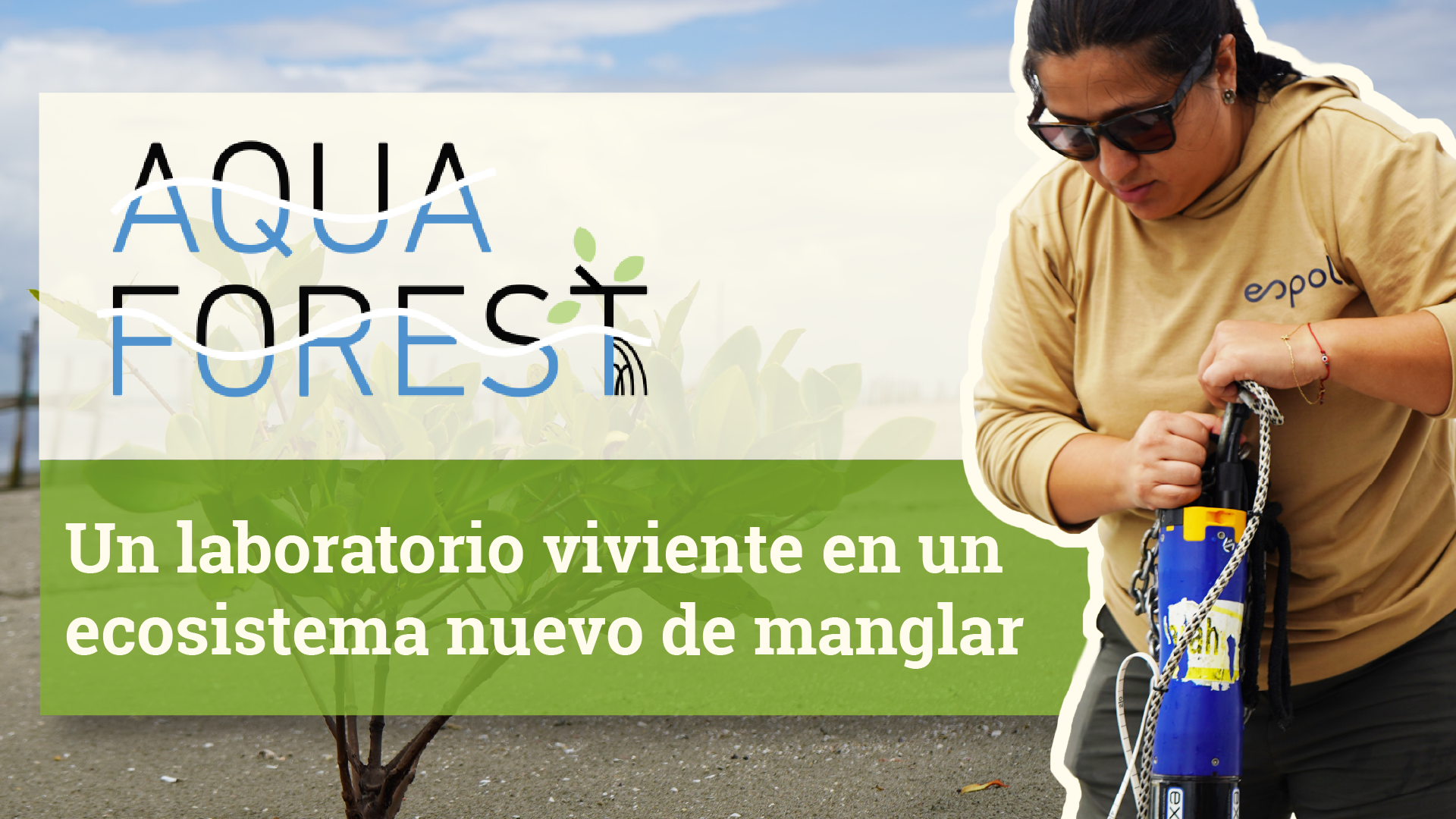

Under the leadership of the Life Sciences Faculty (FLS), the Aquaforest project continues to set milestones in the country's coastal conservation. This initiative, launched in 2022, utilizes dredged sediments to create new mangrove ecosystems, promoting a nature-based solution for climate resilience.
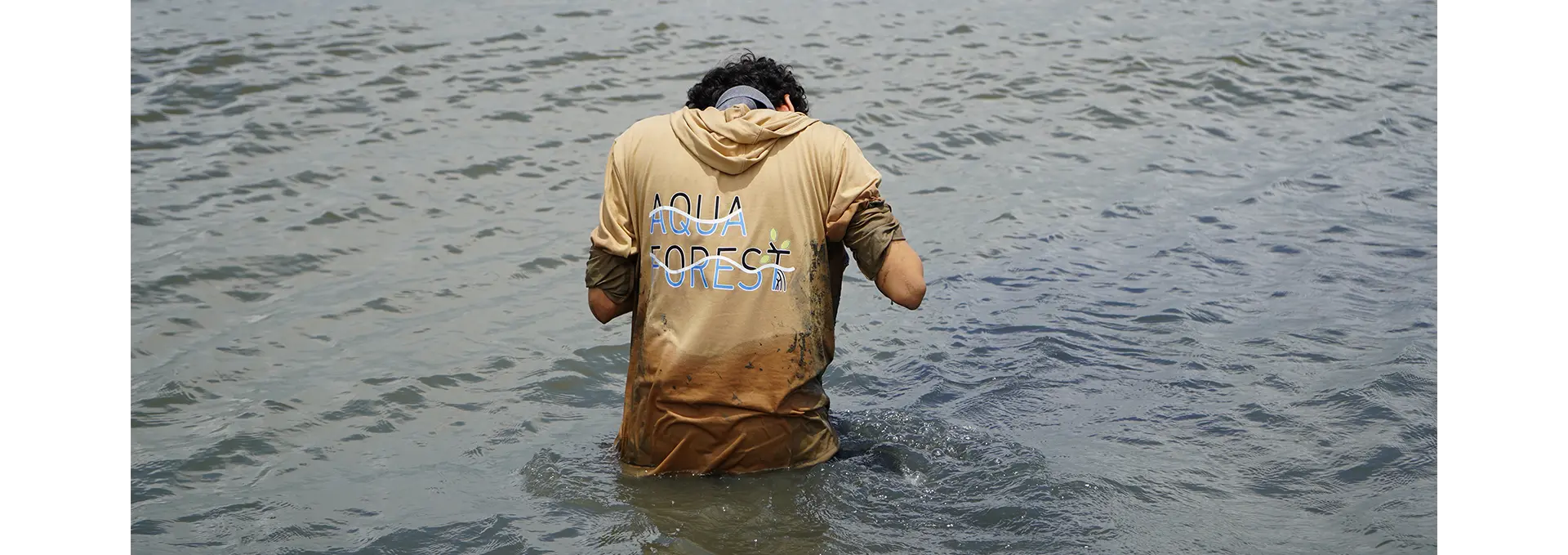
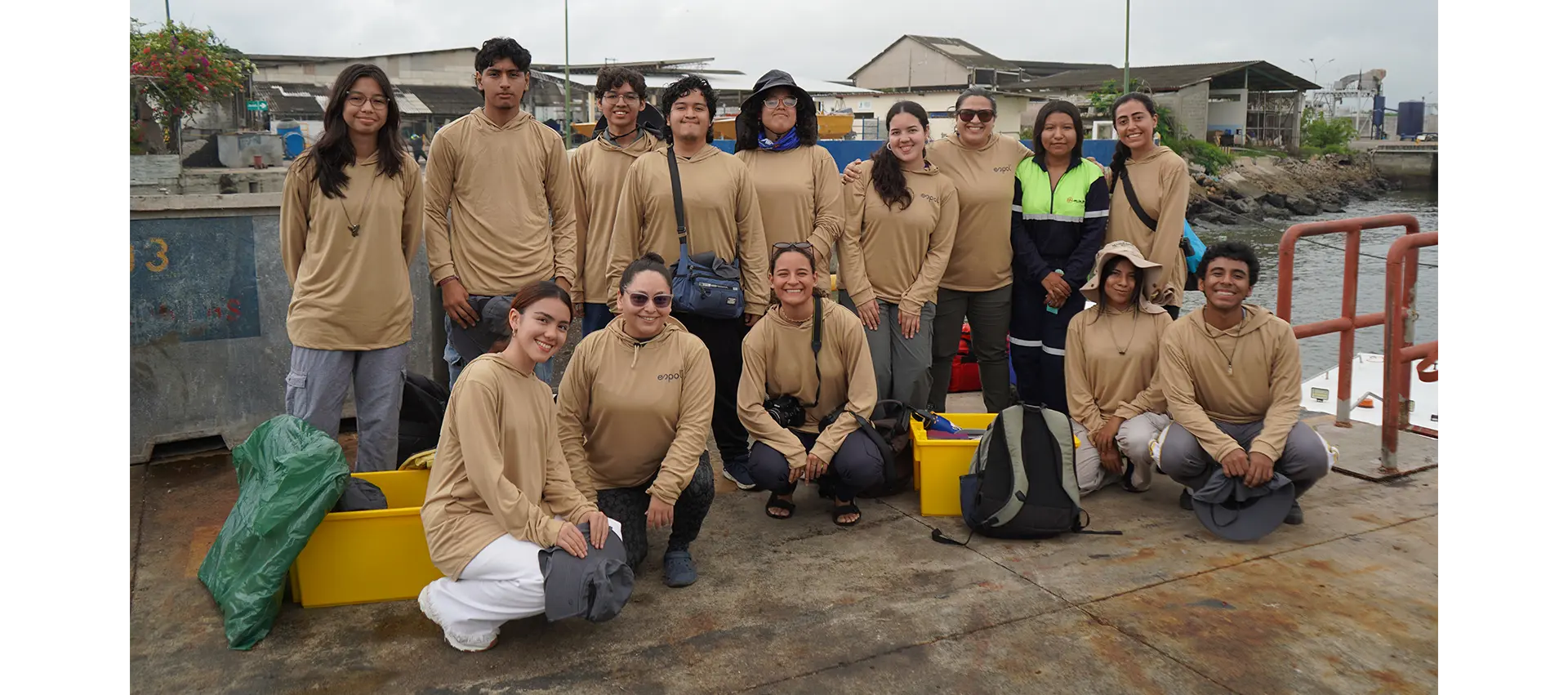
The project is backed by financial support from the Flemish Government and its G-STIC initiative, as well as the IUCN. Currently, ESPOL’s multidisciplinary team—comprising researchers, laboratory technicians, and volunteers—is executing the biodiversity monitoring phase and empowering coastal communities in sustainable production practices.

Cutting-Edge Science on the Ground:
Biodiversity Monitoring: The coastal baseline is analyzed using environmental DNA (eDNA) and the study of benthic organisms to assess the health of the new ecosystem.
Avifauna: Students and volunteers monitor shorebirds, recording significant milestones such as the nesting of Wilson's Plover, which proves that fauna is successfully colonizing the restored areas.
Vegetation and Structure: Rigorous tracking of mangrove growth is conducted, measuring height, canopy cover, and plant survival rates.

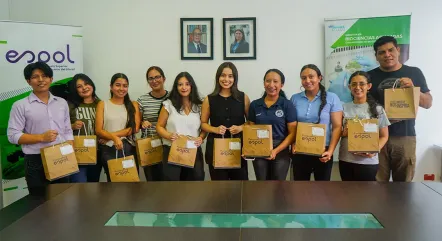
Gender Equality and Female Leadership: A core component of Aquaforest is equity. Professor Andrea Reyes highlights that the project is a space where men and women participate under equal conditions of representation, strengthening the female presence in biological sciences and field conservation.