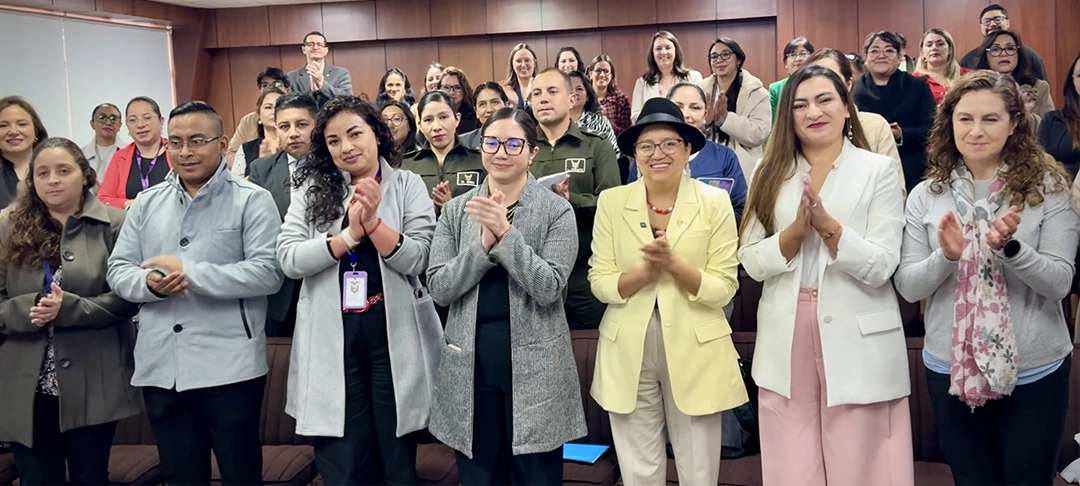


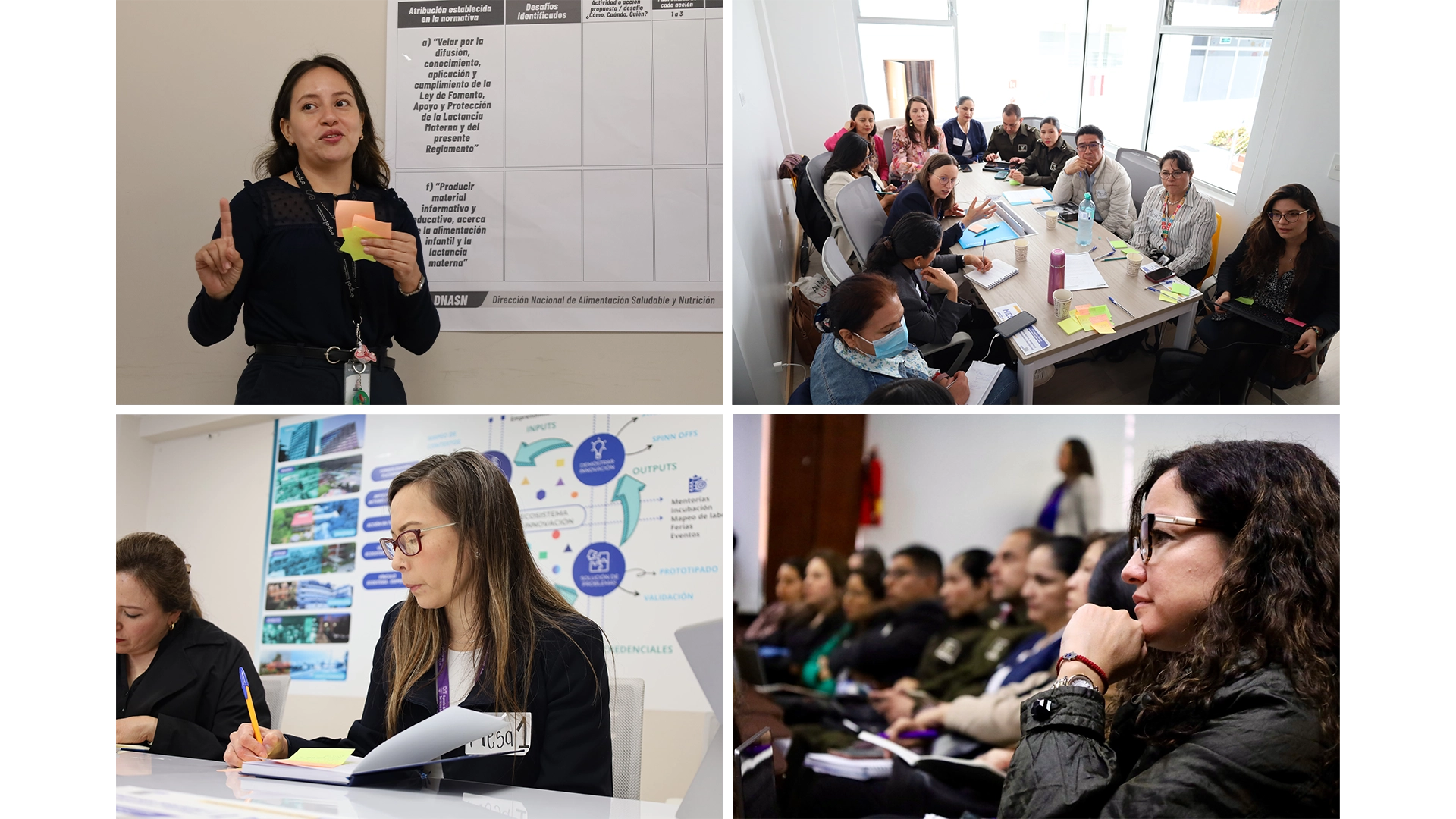
Quito – In a decisive step for public health and the guarantee of children's rights, the official establishment of the Technical Commission of the National Council for Breastfeeding (CONALMA) took place. This body serves as a fundamental pillar to coordinate inter-institutional actions aimed at guaranteeing, protecting, and promoting breastfeeding, ratifying it as an essential human right in the country.
To operationalize this effort, experts from academia, civil society, and the health sector have formed three strategic technical working groups:
Communication and Education: Focused on the mass dissemination of current regulations.
Control and Surveillance: Tasked with supervising legal compliance and the International Code of Marketing of Breast-milk Substitutes (WHO Code).
Advisory and Cooperation: Aimed at providing technical support and resource management to ensure policy sustainability.
A Milestone for National Regulation
Luz Valencia, a professor at the Faculty of Life Sciences (FCV) at ESPOL and an expert in breastfeeding, actively participated in this inauguration. She highlighted that the establishment of this technical team is a milestone that must go beyond the mere collection of scientific evidence.
"One of the primary objectives is to achieve an update of current regulations, adapting them to modern challenges and ensuring a robust legal framework that truly protects families," Valencia stated during the meeting.
Surveillance and Information Free from Conflicts of Interest
The ESPOL expert also emphasized the need to implement an integrated system to drive effective communication and strict surveillance. According to Valencia, it is vital for society to be aware of the law and its enforcement, ensuring that Ecuadorian families receive truthful, independent information that is, above all, free from conflicts of interest.
With the launch of this Commission, Ecuador reaffirms its commitment to global health goals. This initiative seeks to create sustainable support systems that prioritize the well-being of the mother-child dyad, protecting them from the commercial pressures of the breast-milk substitute industry.