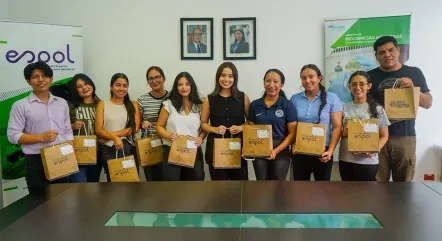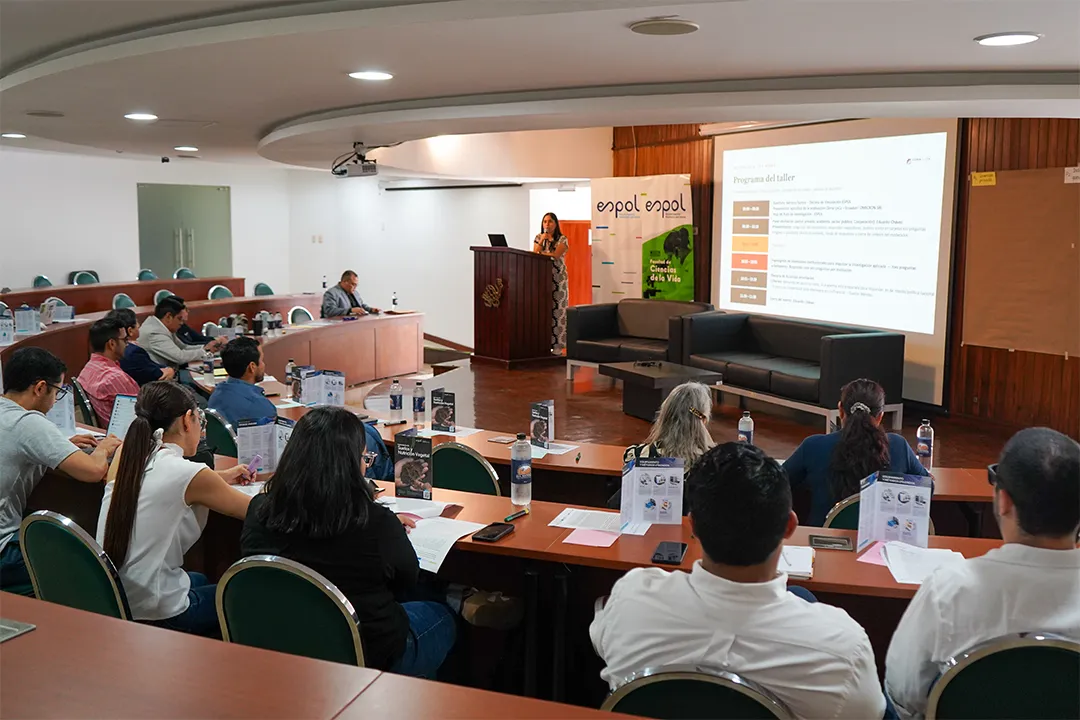


With the objective of aligning university science with the territorial demands of Ecuadorian agriculture, the Soil and Plant Nutrition Laboratory at Escuela Superior Politécnica del Litoral hosted an inter-institutional technical forum titled "Multi-Stakeholder Dialogue: Investing in Applied Cocoa Research."
The initiative was held under the operational framework of the international projects Clima-LoCa and CREA, bringing together representatives from academia, industry stakeholders, smallholder producer organizations, public sector entities, and international development agencies.
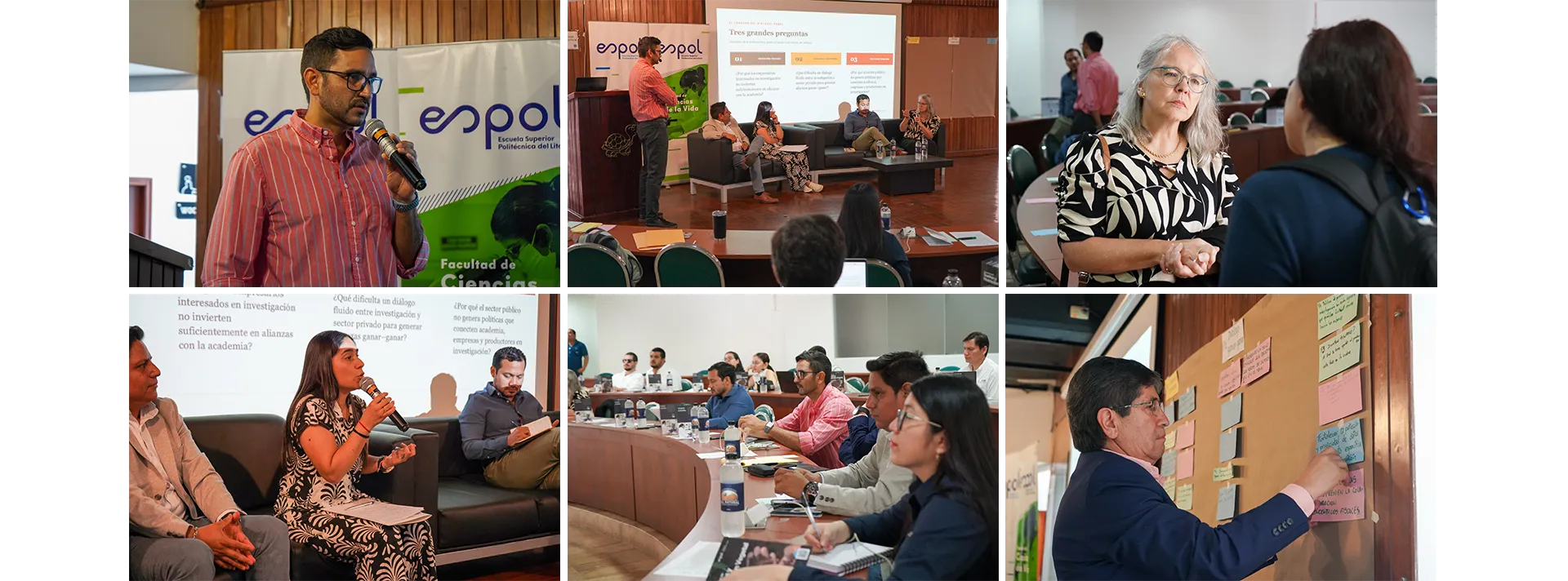
Throughout the working sessions and panel discussions, specialists evaluated pathways to ensure experimental research outcomes translate into direct on-farm applications, identifying three core strategic pillars:
Coordinated multi-stakeholder investment: Pooling funding and aligning initiatives is critical to tackling urgent phytosanitary and food safety challenges, particularly cadmium uptake and soil mitigation strategies, alongside the impacts of climate variability on cocoa yield and plantation resilience.
Territorial relevance and technology adoption: Research must stem from the real-world demands of farming communities, prioritizing cost-effective, readily adoptable technologies that deliver socioeconomic value to smallholder farmers.
Synergy across scientific agendas: Harmonizing institutional research priorities optimizes financial and logistical resources, prevents redundant technical efforts, and accelerates the transfer of validated agronomic technologies to the field.
Through the leadership of the Soil and Plant Nutrition Laboratory and its allied research programs, ESPOL reinforces its role at the forefront of agroecological solutions and soil management practices that safeguard the international competitiveness and biosecurity of fine-flavor cocoa (cacao fino de aroma) in global markets.