Producción y Consumo Responsables

Transforming Agricultural Waste into Resources: FCV-ESPOL Faculty Evaluate the Potential of Black Soldier Fly Larvae for the Circular Bioeconomy

In rural areas across Ecuador, small-scale farming, livestock, and brewing operations generate significant volumes of organic solid waste, such as poultry manure, cattle manure, and barley brewing by-products, that frequently lack adequate waste management infrastructure. Rather than being mere "trash," these organic streams represent an unexploited reservoir of nutrients that, when left unmanaged, can drive odor nuisance, pest propagation, and greenhouse gas emissions.

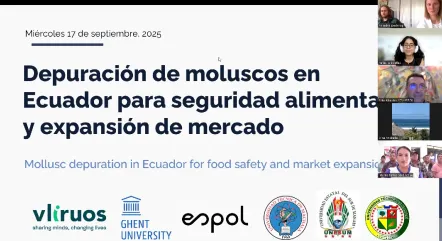
ESPOL and UGent Launch Project to Strengthen Food Security and the Mollusk Market in Ecuador

Image
Proyecto Depuracion

On September 17, 2025, the official launch of the project “Mollusk Depuration in Ecuador for Food Security and Market Expansion” took place. This initiative is driven by the Escuela Superior Politécnica del Litoral (ESPOL) and Ghent University (UGent), with the support of the Technical University of Machala, the Technical University of Manabí, and the State University of Southern Manabí.


First Cohort of the Master’s Program in Plant Health Successfully Completes Thesis Defenses

Image
noticia primera cohorte sanidad

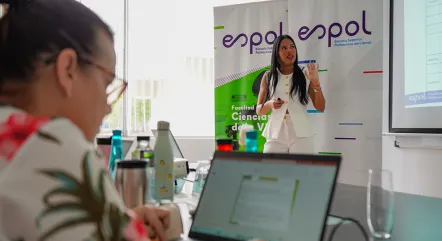
The Faculty of Life Sciences at ESPOL hosted the thesis defense sessions for the first cohort of the Master’s Program in Plant Health. The evaluating committee—composed of Dr. Adriana Santos, the respective tutors for each student, and the program coordinator, Dr. Lisbeth Espinoza—assessed seven master’s candidates who presented their degree projects, contributing innovative proposals for the sustainable agricultural development of the country.